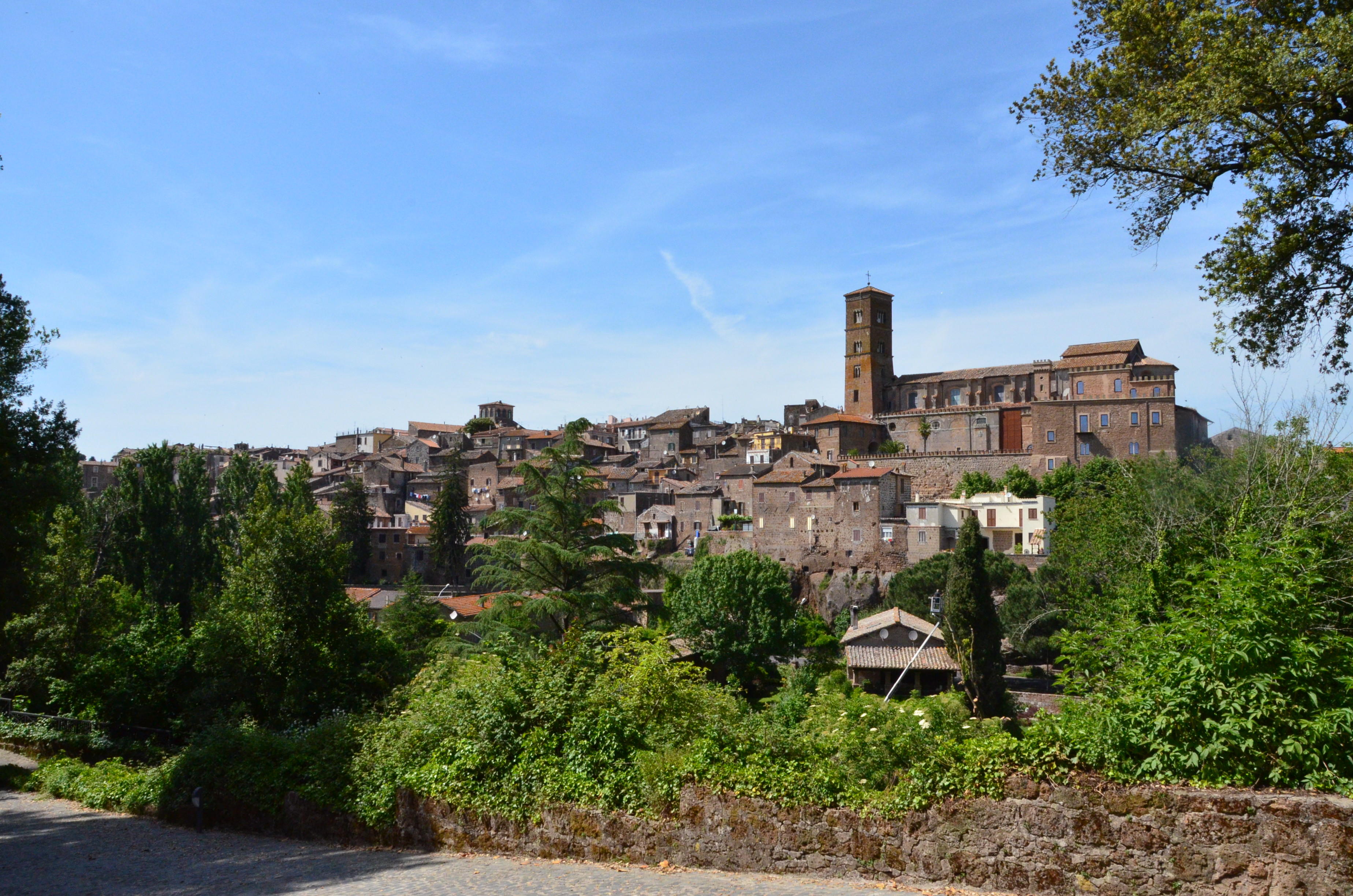
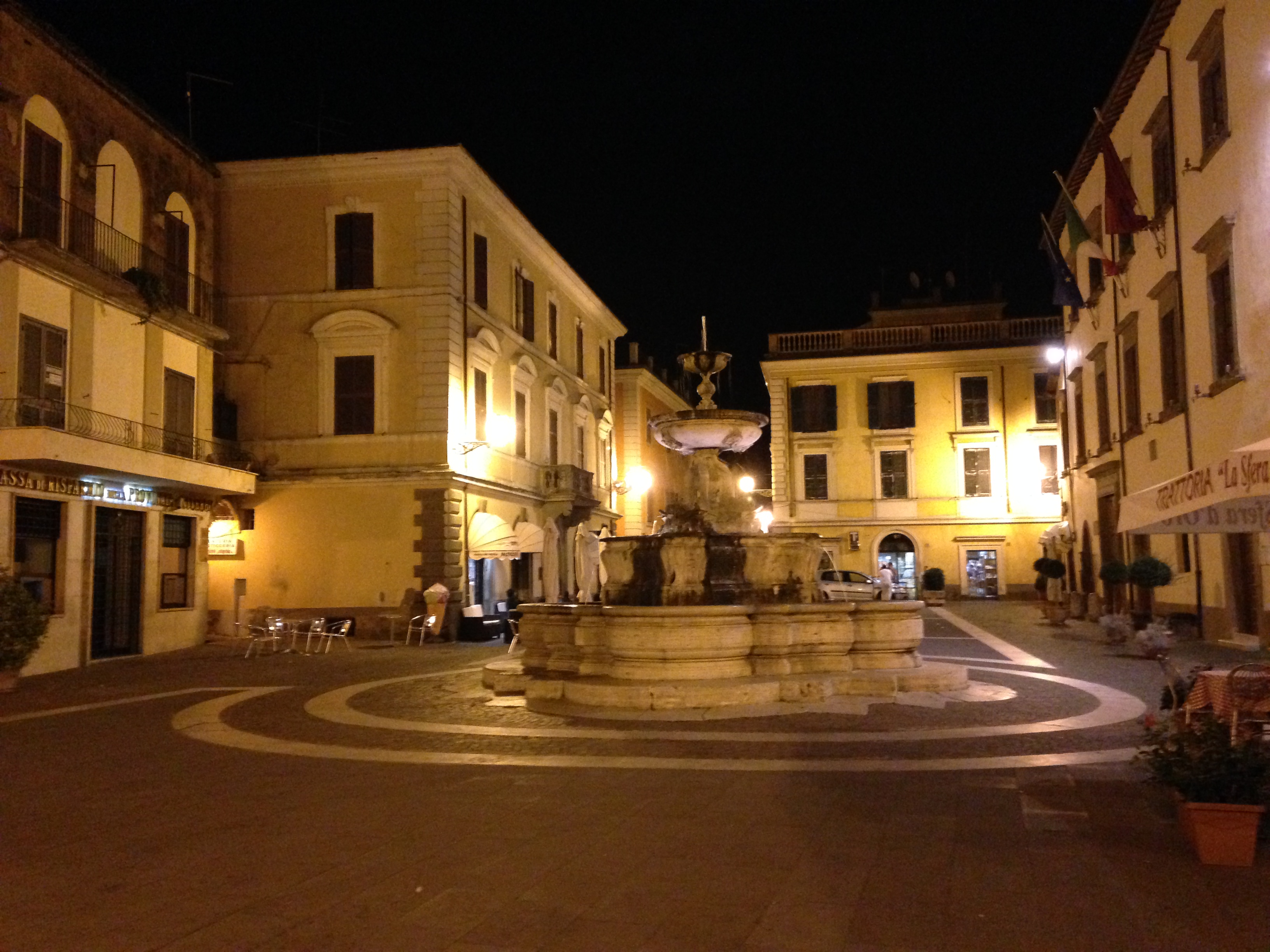
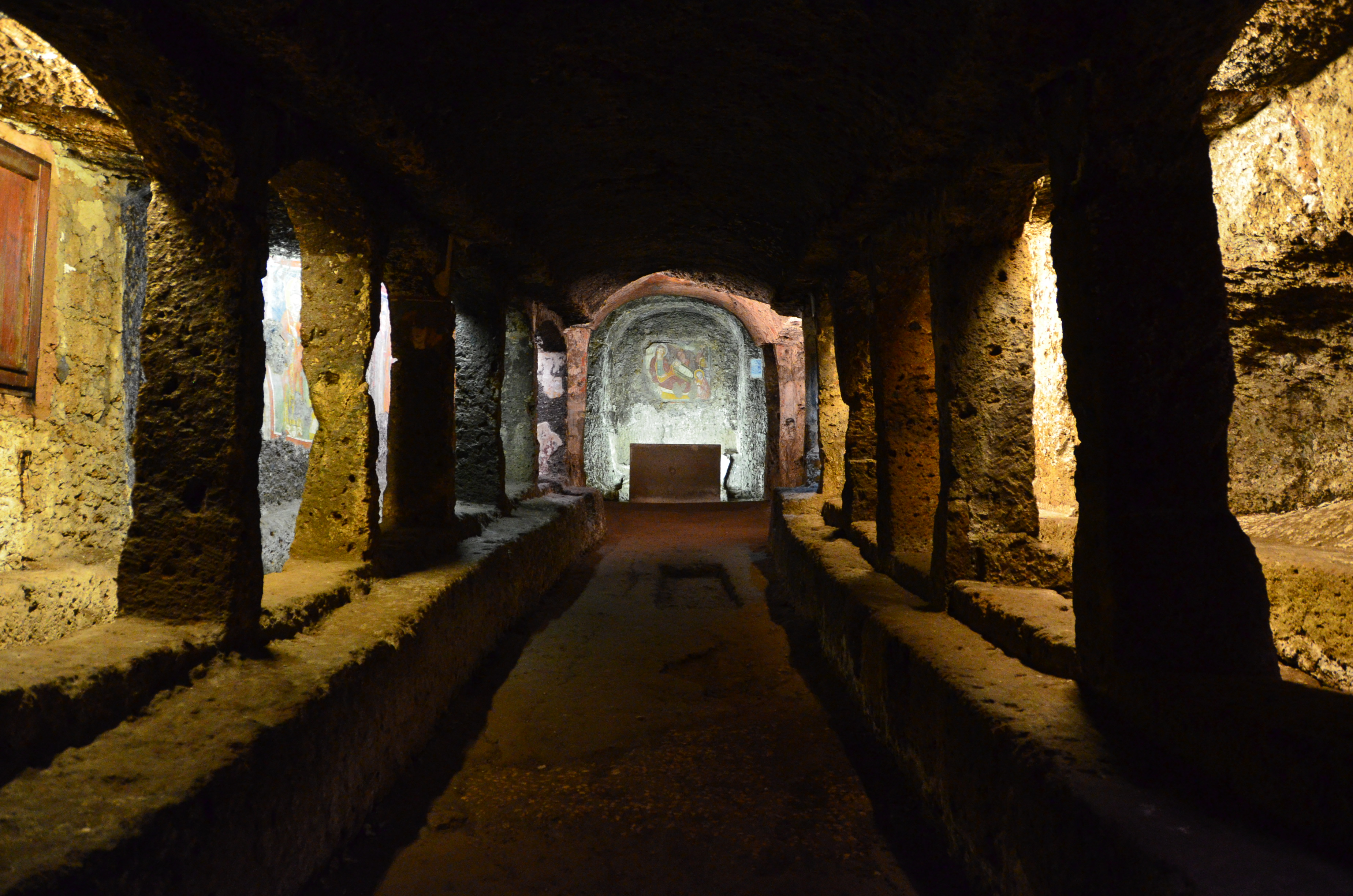
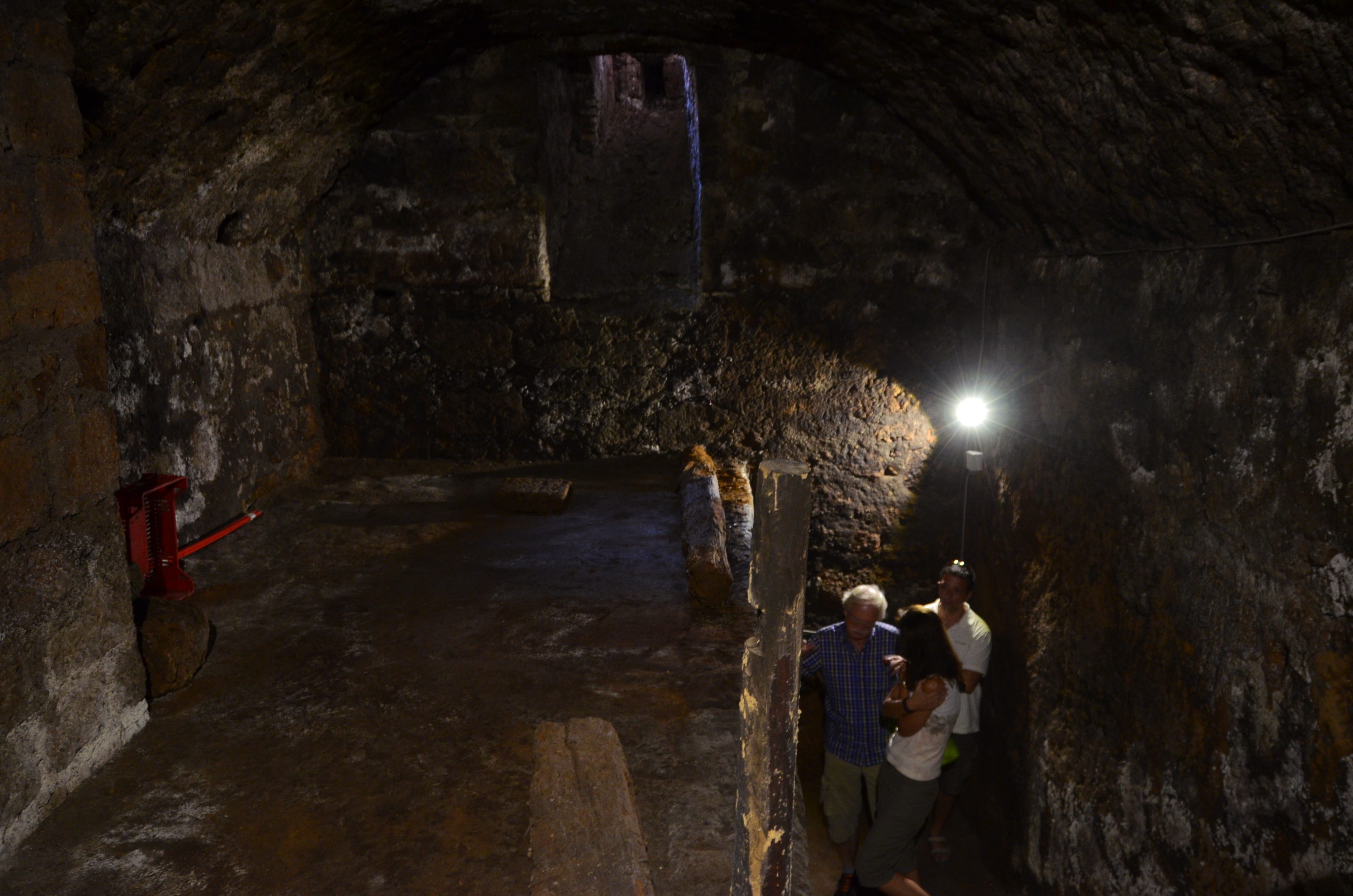
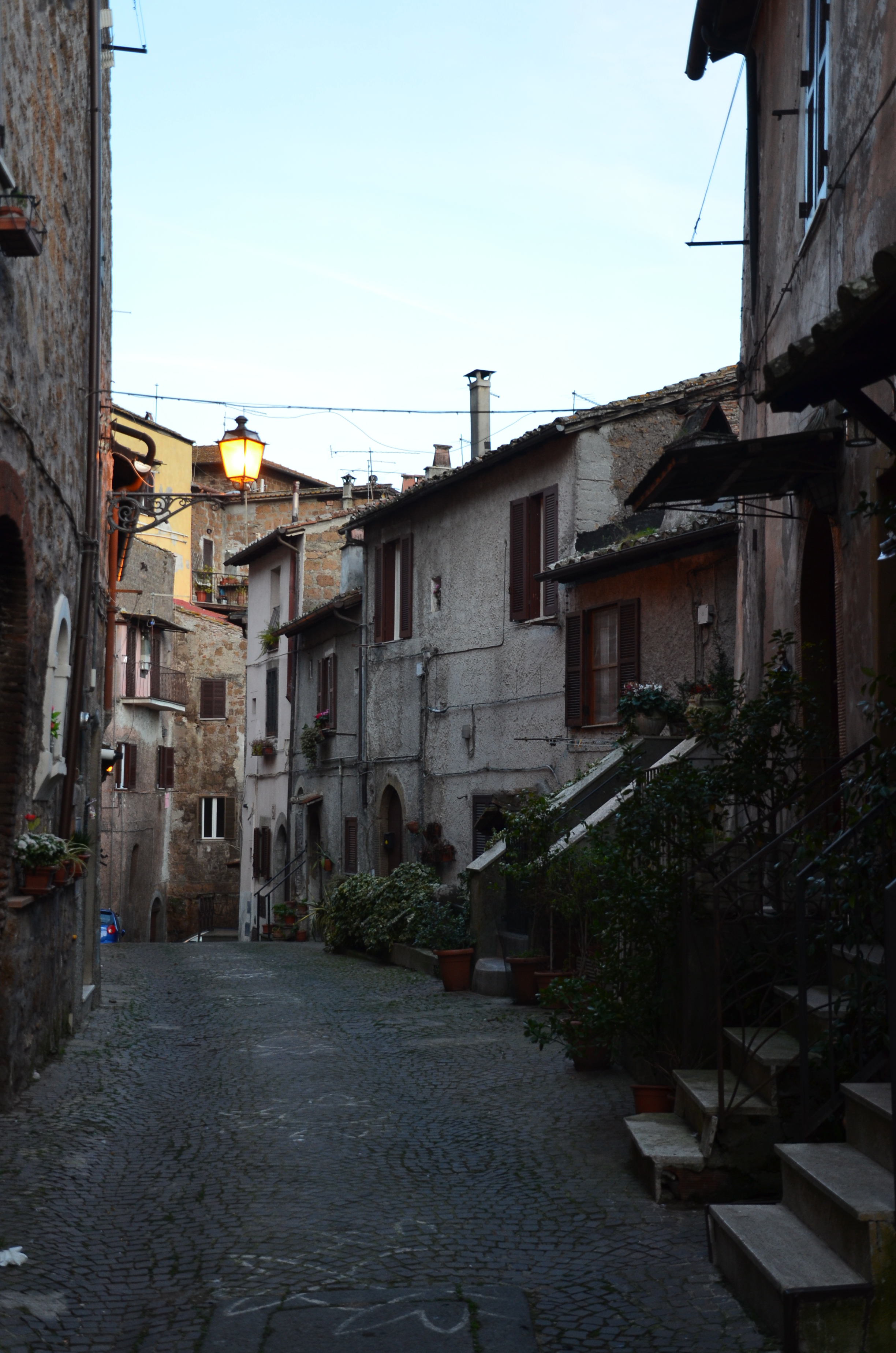
Sutri is a commune in the province of Viterbo, within the Lazio region of Italy. It is located some 50 km north of Rome. At the centre is the very old town (“Antichissima Cittá”) which goes back to Etruscan times, probably some 800 years BCE. Most of the buildings in the centre of town are about 400-500 years old, but under the old buildings are caves that go back to the Etruscans. Some of the caves have several floors. The network of caves under the town centre has not been fully explored.
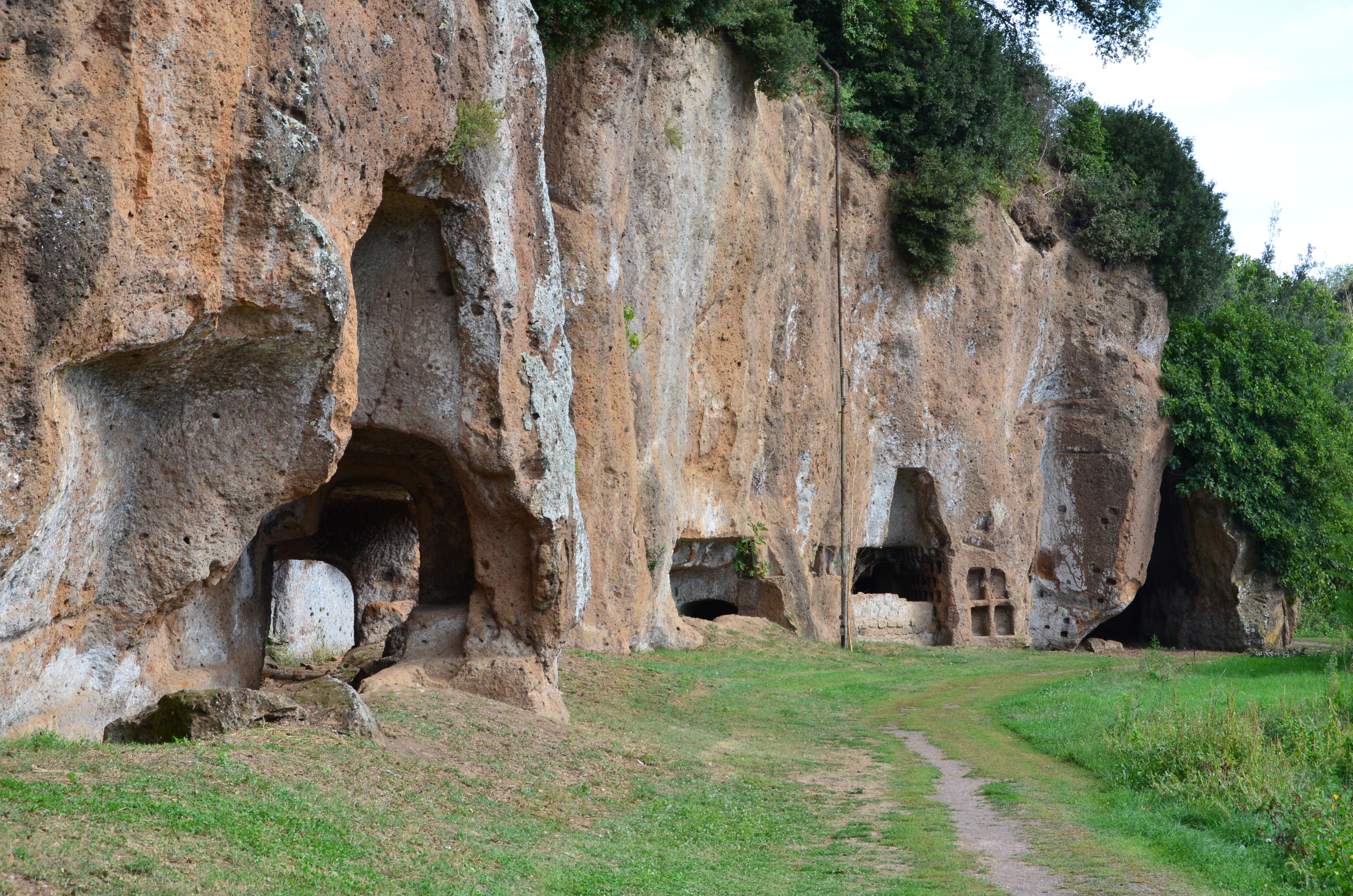
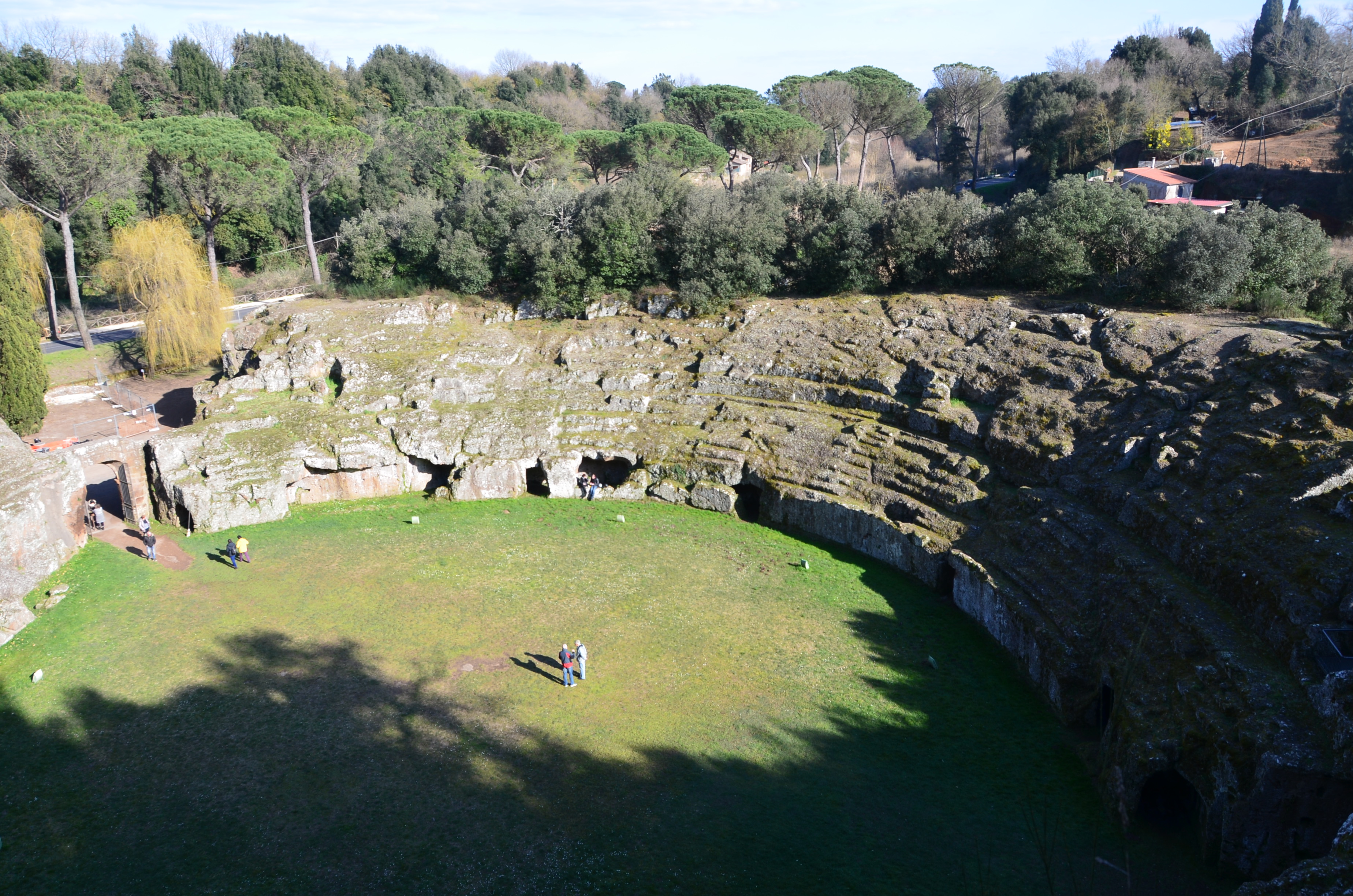
On the outskirts of the town are interesting remnants of Etruscan and Roman times: caves dug into the sides of the hills, a burial site (“necropolis”) and a temple, presumably for the God “Mitra”, also dug into the tuff. From Roman times is an amphitheatre, again dug out of the tuff. The road leading North from Rome through Sutri (“Via Cassia”) appears on old Roman maps and has probably seen Roman legions passing on their way to Gallia. It is also part of the pilgrim route “Via Francigena” from Canterbury to Rome.
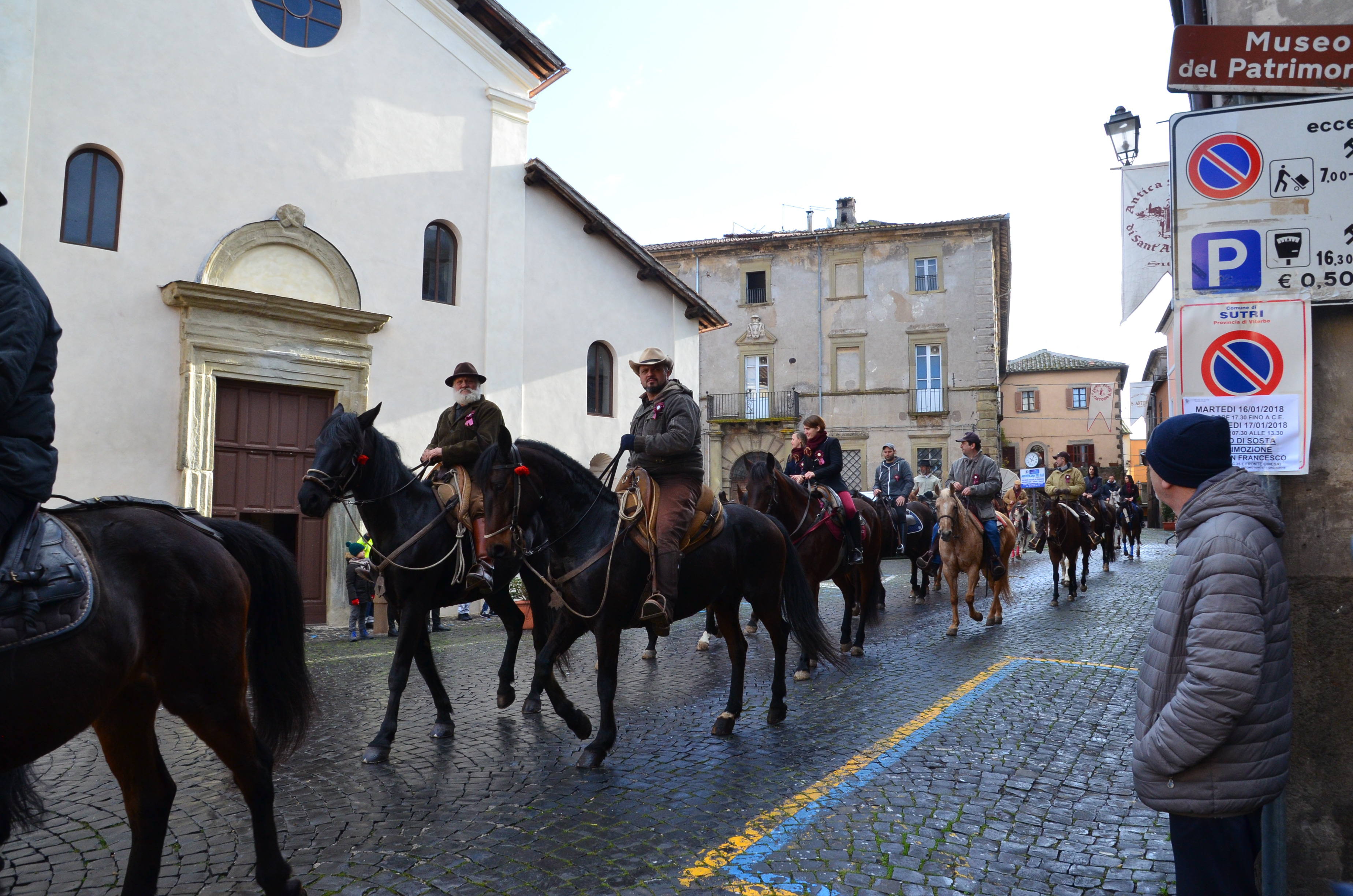
In modern times, and barring Covid-19 restrictions, Sutri is host to frequent celebrations, among which is the procession for Sant Antonio, with the blessing of the animals. Hundreds of Sutrini ride through the town ending up in front of the pastor who sprinkels holy water on the horses.
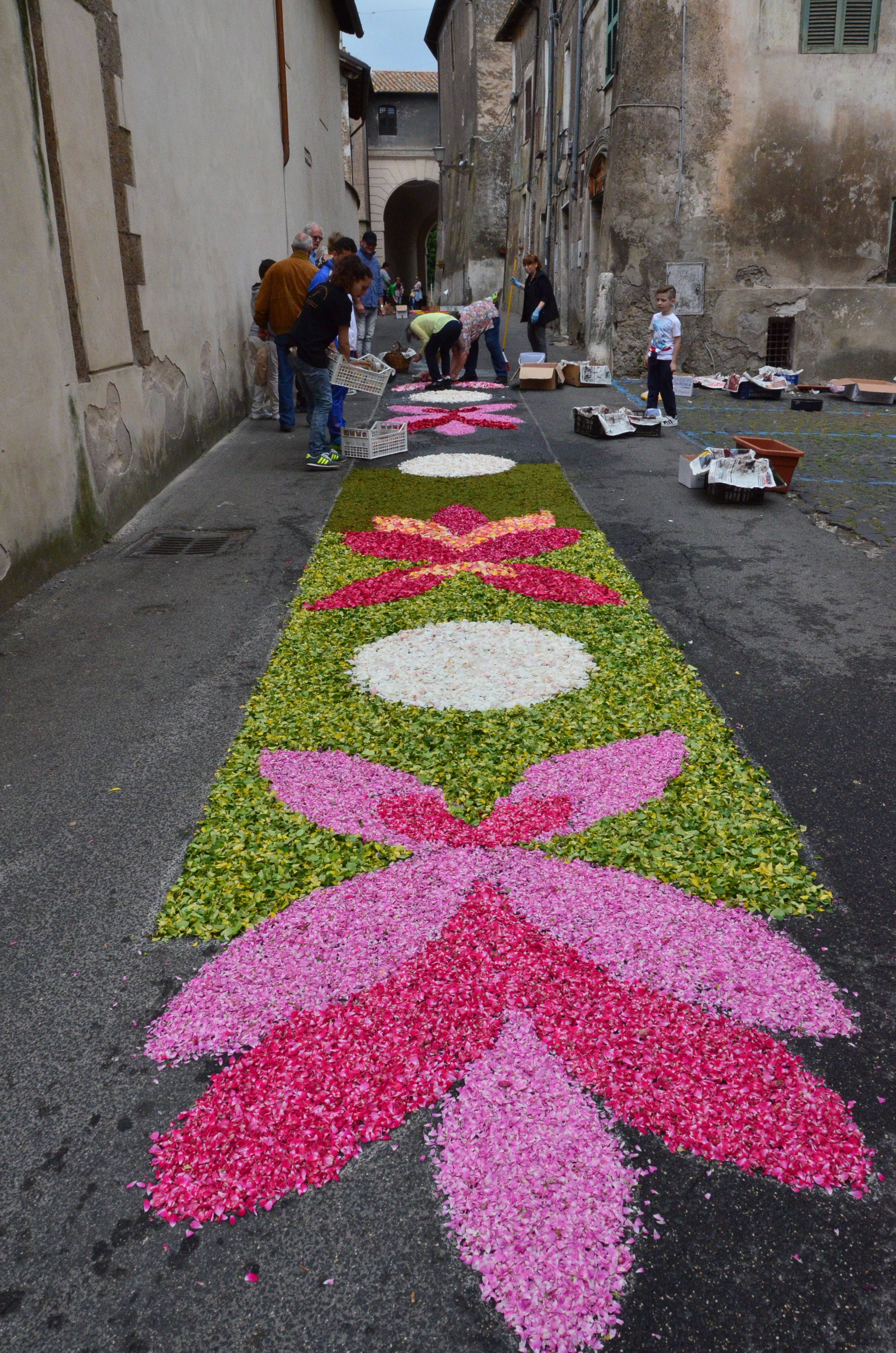
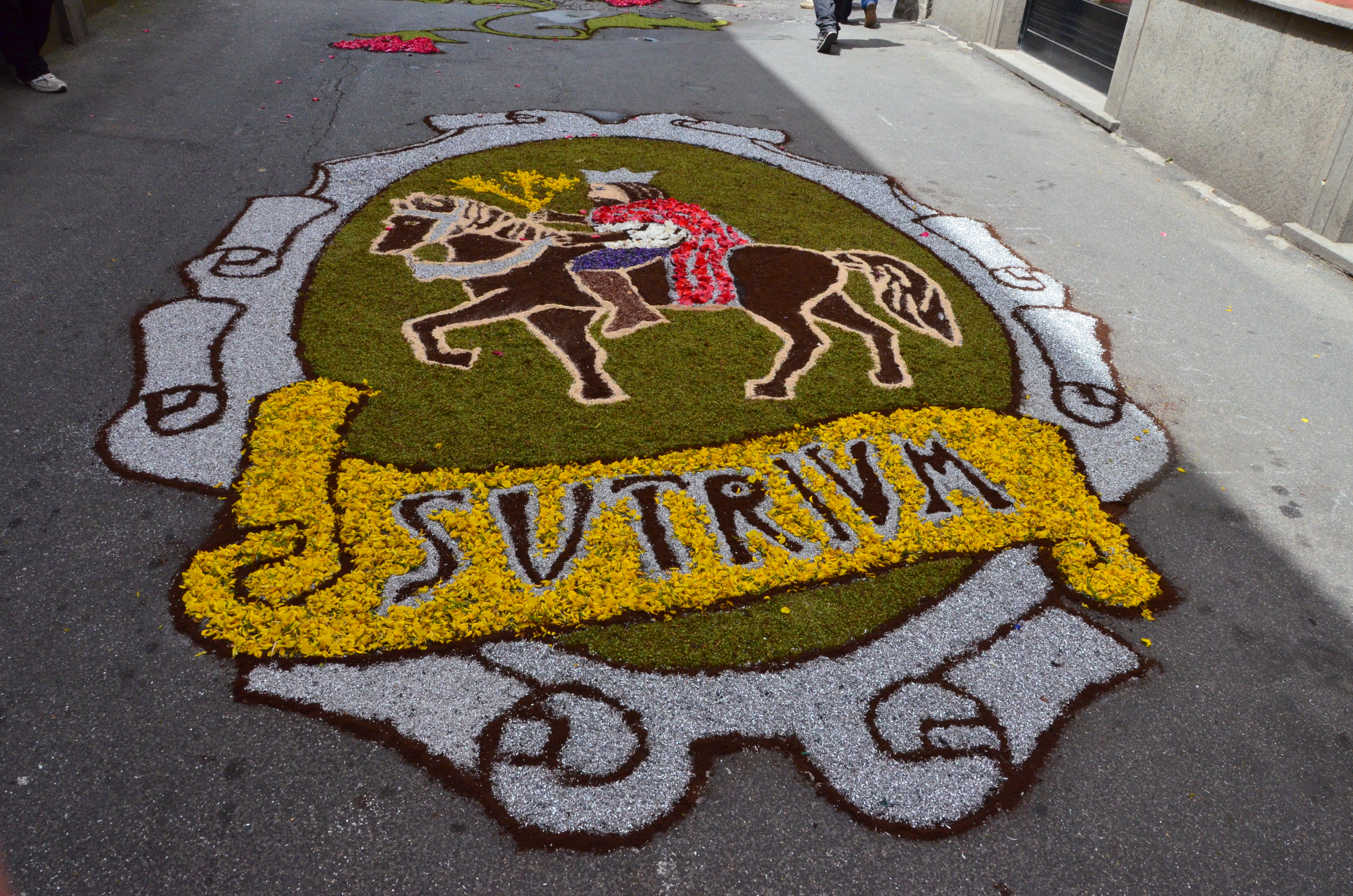
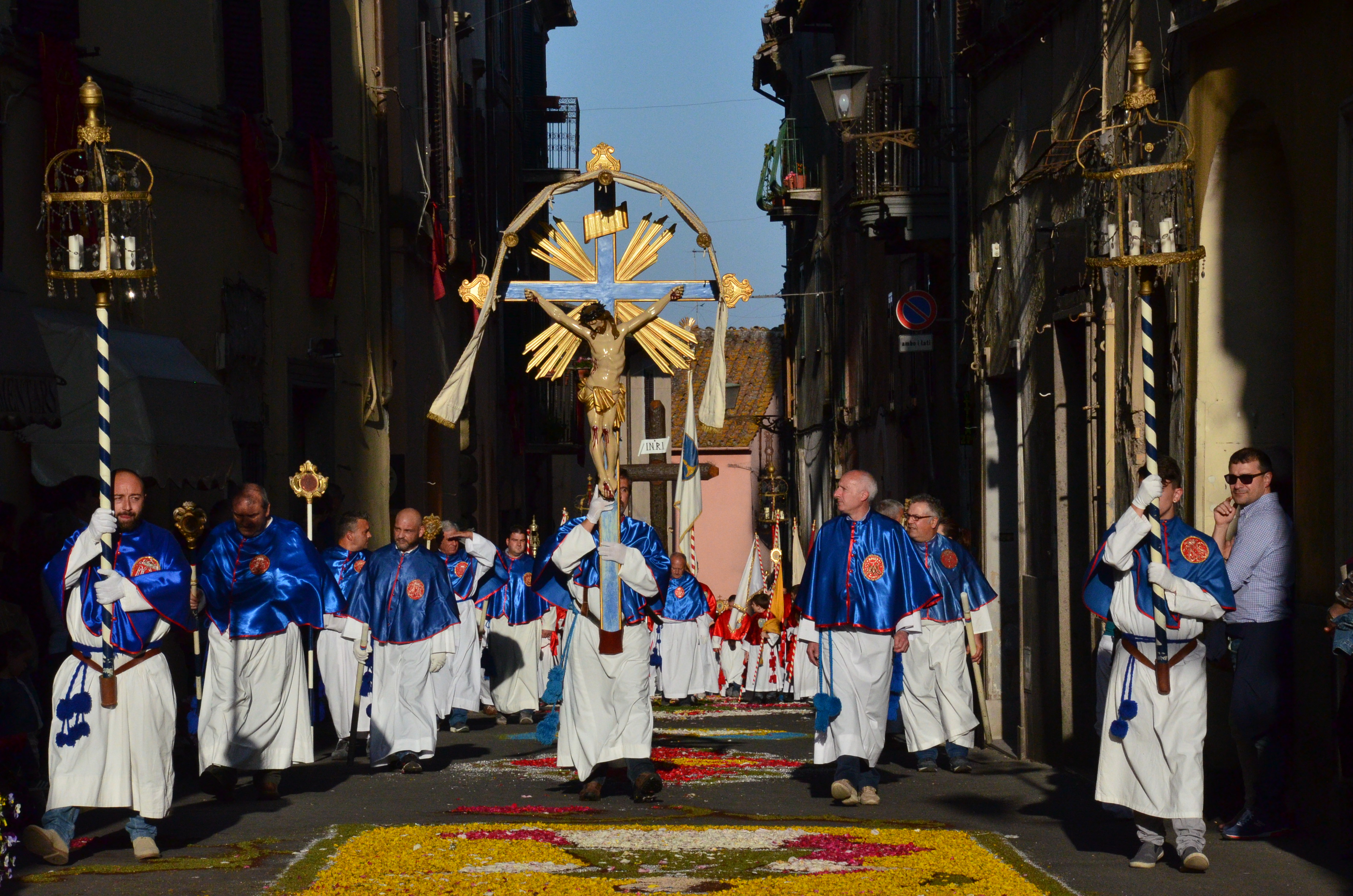
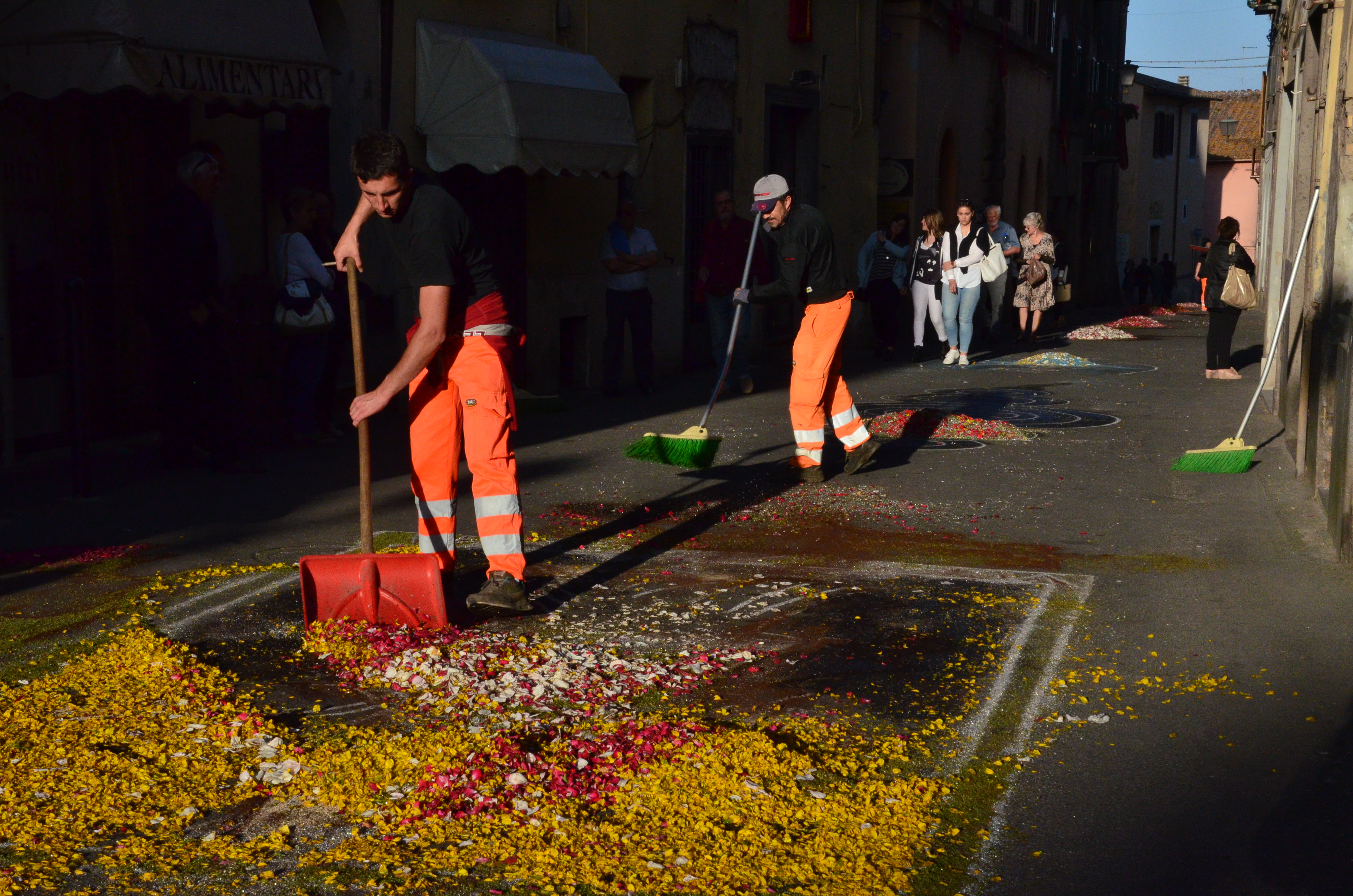
Another important celebration is the flower festival. The local “Sutrini” spend days preparing flowers, and in the morning of the last Sunday in May, the thousands of flowers are carefully laid as mosaics on the pavements. In the late afternoon, a religious procession walks through town on top of the flower decorations, and as soon as the procession has finished, the municipal street cleaners take over.
Sutri has also hosted a visit of the Carabinieri of Rome, giving a formidable concert. (Scroll down to see).
And Sutri has been my home town since 2015.
 Michael Elmquist homepage